In most businesses we review, the money is not leaking where people look for it. Here is how the spend breaks down, and where to act.
What makes up the cost of a call center
The phone lines. How calls get in and out - legacy physical lines, or SIP channels running over your internet connection.
The PBX. The system that routes calls, plays the menu, manages queues and records - a box in the comms cabinet, or a cloud call-center system.
Licensing and extensions. Most modern systems are priced per extension or active agent.
Endpoints. Desk phones, headsets, or a softphone - software on the computer that replaces a physical device.
And the biggest of all: agent time. In any real call center, staff cost dwarfs every technical line item. Every minute an agent spends on a call that should never have reached them costs more than the PBX does.
Where the money quietly leaks
1. Old lines nobody ever cancelled
Many businesses still pay for lines opened years ago - a fax line that no longer exists, a "backup" line nobody has tested, numbers kept "just in case". A properly set up SIP trunk concentrates traffic into channels sized to actual need, and the old numbers are ported over - nothing is lost.
2. A physical PBX with a maintenance contract
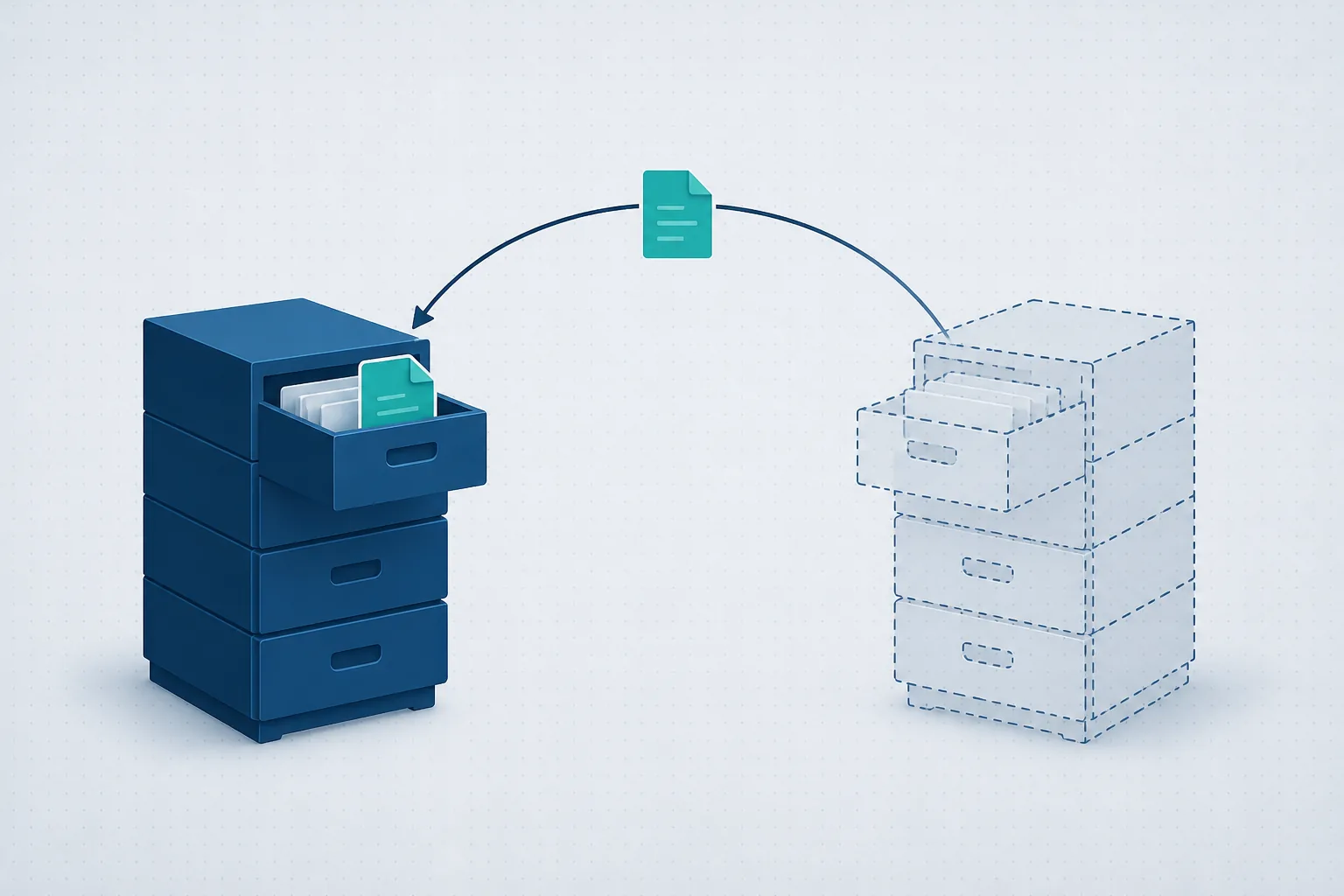
An aging PBX in the cabinet drags a maintenance contract behind it, and a paid technician visit for every change - a new extension, a menu tweak, an employee changing rooms. On a cloud PBX these changes are a settings screen, not a site visit.
3. Extensions and licences of people who left
The system is priced per extension - but when did anyone last count how many are actually in use? Extensions of former employees, direct numbers no longer published, voicemail boxes nobody checks. One count per year against one invoice - the gap is almost always a surprise.
4. An expensive device on every desk
An agent who works at a computer all day does not always need a desk phone. A softphone with a good headset delivers the same call, connects to the same PBX, and works from home too.
5. Routing that wastes the truly expensive resource
And here is the biggest one: calls landing on the wrong agent. A customer waits in the queue, tells the story, gets transferred - and the whole opening is paid for twice. A menu built around how customers actually call, correctly defined business hours, and reports that show when the load is real - these save agent time, the one line item with no substitute.
Where not to cut
Recordings and backup. Call recording is not a luxury - it is your protection in a dispute and your tool for improving service. Backing up recordings and PBX configuration should be part of the service, not an add-on.
PBX security. A hacked PBX is a well-established way to steal money: intruders dial international numbers through it, and the bill arrives at your door. A PBX exposed to the internet without proper protection is not a saving - it is a risk with a price tag.
Resilience. A call center that dies when the internet dies is a solved problem - a backup line, automatic failover to mobiles, a cloud PBX that keeps answering when the office is dark. You check this before it happens.
So what does it cost?
The honest answer: it depends on how many extensions, how many calls, and what equipment you already own. What we can say with confidence - a business that moves off an old physical PBX and redundant lines onto a well-run cloud system almost always pays less than before, and gets more: remote work, reports, recordings, and changes without a technician.
We operate cloud IP PBX and call-center systems for businesses as a managed monthly service, usually as part of managing the company's IT as a whole. If you like, we will go over your current telecom invoices together and see what is actually needed - a short intro call, no commitment: contact us or call 1-700-722-111.